

 Back to all articles
South African bathroom design is shifting this autumn, and the direction is clear: warmer, more considered, more personal. The all-white, everything-the-same bathroom is giving way to spaces that feel deliberately designed, where colour, texture and product choice combine to create a room worth walking into. Whether you are an architect mid-specification, a designer finalising a residential brief, or a homeowner who has been putting off a bathroom update for too long, the trends this season are worth acting on. They are as stylish as they are practical – the kind of design decisions that look considered on completion and hold up long after the project is done.
Below, we cover the five design directions shaping South African bathrooms this autumn, how to apply each one, and the Lecico products that deliver the look.
Warm tones define the autumn bathroom palette
Colour is back in the bathroom, and it is running warm. Terracotta, burnt sienna, dusty sage, moody taupe and clay are all gaining ground in bathroom design for 2026: tones that absorb light softly, read as grounded and calm, and make a bathroom feel like a room rather than a utility space. According to Homes & Gardens, earthy, nature-inspired palettes are among the strongest interior colour directions of the year, and the bathroom is one of the spaces best placed to carry them, from wall colour right through to furniture choices like the Zara Ribbed 600mm Wall-Hung Cabinet in oak.
The key to using these tones well is contrast. Warm wall colours work best when the sanitaryware stays white or off-white; the pairing creates depth without heaviness, and keeps the room looking clean and considered rather than busy. This is where product profiles matter: a basin with a clean, defined edge lets the wall colour do the talking rather than competing with it.
The Bordo countertop basin is a strong starting point here. Its rectangular form and precise lines sit particularly well against a warm backdrop. For a softer, more organic feel, the Ovale countertop basin from Lecico’s countertop range brings an elegant oval profile that reads gently against terracotta or dusty sage walls. Both are available in classic white vitreous china and work across a wide range of vanity configurations.
How to apply autumn colours to your bathroom
Start with the wall tone and work outward. Sanitaryware, furniture and fittings should respond to that first decision, not compete with it. For south-facing bathrooms in South Africa that receive cooler, more indirect light, warm taupes and sandy neutrals tend to work better than deep terracotta, which needs stronger light to look its best. A cabinet like the Zara Oak cabinet is a good example of furniture that carries that natural warmth through to the vanity area. In well-lit, north-facing spaces, richer tones like burnt sienna and clay are at their most effective.
Keep grout lines in warm tones, such as beige, sand or warm grey, rather than bright white. It is a small detail, but it ties the palette together in a way that is immediately noticeable when it is done, and equally noticeable when it is not. Pair the wall colour with brushed brass or matte black tapware rather than polished chrome, which pulls the eye toward cool rather than warm.
Floating furniture is still leading the way
Wall-hung and floating vanity units remain one of the most popular bathroom choices in South Africa, and they are showing no sign of slowing down in autumn 2026. The reasons are practical as much as aesthetic: floating furniture opens up the floor, makes the room feel larger and simplifies cleaning. In smaller bathrooms, the visual lift that a wall-hung vanity creates is difficult to achieve any other way.
What has changed is the expectation of what floating furniture should do beyond looking good. Storage configuration, soft-close mechanisms and how the unit relates to the mirror above it are all receiving more attention. The mirror cabinet question is particularly relevant: rather than a basin unit and a mirror chosen separately, more designers and specifiers are opting for a mirror cabinet above the vanity that runs close to its full width, solving the storage problem and the mirror problem in a single, visually cohesive move.
Lecico’s furniture range is built around exactly this pairing logic. The Zara 600 curved mirror cabinet is a standout option for autumn 2026. Its soft curved profile works well against warm wall tones, and its slim depth makes it practical in bathrooms where wall depth is limited. For a crisper, more architectural look, the Zara ribbed wall-hung cabinets in 600 mm and 800 mm widths bring strong vertical rhythm to the vanity wall without overwhelming it. Pair either with the Comfort Ribbed 600 mm wall-hung cabinet in oak below for a combination that brings warmth, texture and serious storage to a single bathroom wall.
How to get floating furniture right in a small bathroom
For bathrooms under 4 m², choose a wall-hung vanity in the 500–600 mm width range and pair it with a countertop basin that overhangs slightly – it gives a generous feel without consuming floor space. The new Lecico Comfort Mini 45 cm square basin is a strong option here: its compact footprint is purpose-built for smaller bathrooms and powder rooms, with a clean square geometry that reads as considered rather than compromised. Install the unit so the top of the basin sits at around 850–900 mm from the floor; this is comfortable for most adults and leaves enough visual space below the cabinet to make the floor-clearing effect work properly.
The mirror cabinet above should run to roughly the same width as the vanity unit below, or fractionally wider. A mirror cabinet noticeably narrower than the unit creates an unbalanced wall; one that matches or slightly exceeds it feels resolved. For the full picture on Lecico’s cabinet options and basin pairings, the wall-mounted bathroom cabinets guide is worth reading before you specify.
Texture as a design language
Alongside the move toward warmer tones, there is a parallel shift toward surfaces that feel as good as they look. Textured tiles, matte finishes, ribbed and fluted detailing, and materials that have weight and presence are all gaining ground in autumn 2026 bathroom searches and editorial coverage. This is partly a reaction to the overly smooth, high-gloss aesthetic that defined the early 2020s. People want bathrooms that feel crafted, that catch the light differently across the day, and that have visual depth without relying solely on pattern or colour contrast.
Design coverage in Architectural Digest consistently points to tactile quality as a key marker of a bathroom that feels premium rather than purely functional. In practical terms, the simplest and most effective place to introduce texture in a bathroom is at the basin. A shaped countertop basin with a matte or slightly textured finish introduces more character to a vanity area than a standard recessed basin ever could, and it requires no tile changes, no structural work and no disruption to the rest of the room.
The Comfort Square countertop basin delivers exactly this. Its clean square geometry and matt-white finish introduces a quiet confidence to the vanity area that a recessed basin simply does not. For a softer, more organic shape, the Kei basin brings a gently rounded profile in vitreous china that feels considered and refined rather than purely functional. For something rounder and more playful, the Matrix round countertop basin is a strong choice for contemporary bathrooms where the basin is intended as a focal point. New to the Lecico range, the Ello countertop basin is worth noting for larger bathrooms where the basin is meant to stand out. Its smooth, rounded profile sits beautifully against warm autumn wall tones and brings a sculptural quality to the vanity area without overwhelming the space.
Matte-finished vanity fronts sit particularly well within this direction. They absorb light softly rather than bouncing it around, and pair naturally with the warm wall tones trending this season. The combination of a matte cabinet finish, a shaped countertop basin and brushed tapware is, right now, one of the most specified bathroom aesthetics across South African residential and hospitality projects.
How to introduce texture without overdoing it
Choose one primary textural statement per bathroom rather than layering multiple. The basin, the wall tile and the vanity front are the three most effective locations, but let one lead and the others support it. In rental or developer-spec bathrooms, a shaped countertop basin such as the Bordo or Comfort Square is one of the most cost-effective ways to increase perceived quality, because it changes how the whole room reads without touching the walls, tiles or plumbing. Pair any matte or textured surface with brushed rather than polished tapware. Polished finishes fight the softness that makes this aesthetic work.
Streamlined bathrooms still win and the concealed cistern is the reason why
The appetite for clean, resolved bathrooms has not gone anywhere in 2026. If anything, it has intensified. But the conversation has moved on from simply removing clutter. It is now about eliminating visual noise at the product level. And nothing eliminates visual noise in a bathroom more effectively than a back-to-wall or wall-hung toilet with a concealed cistern.
When the cistern disappears behind a wall or panel, the back wall becomes clean, the toilet appears to float, and the entire room reads more calmly. It is a single specification decision that changes the character of the space more than almost any other. For architects and developers working on anything above entry-level residential, it is increasingly the starting point rather than the upgrade.
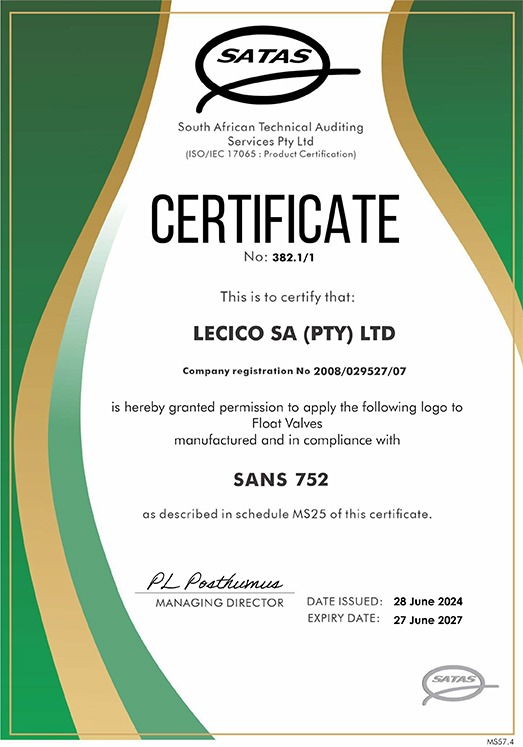
Lecico’s concealed cistern range is SANS-approved, join-free in construction (significantly reducing the risk of leaks once built in), and comes with a 10-year warranty on the frame and tank for household use. The Matrix Square wall-hung pan and concealed cistern combo with chrome purepress plate is a strong choice for a contemporary bathroom where a clean back wall is the whole point. The crisp lines of the pan and chrome actuator plate keep the look sharp without overcrowding the space. For a bolder finish, the Zambezi Rimless wall-hung pan and concealed cistern in black delivers the same architectural quality with a matte black actuator plate that pairs particularly well with the warm, earthy palette driving autumn 2026 design.
For projects that want the clean look of a concealed cistern without opting for a wall-hung pan, Lecico’s new back-to-wall concealed cistern offers a strong alternative. It delivers the same visual simplicity on the back wall while retaining a more grounded toilet profile, making it ideal for residential, hospitality and developer-led bathrooms where streamlined design and practical installation need to work together. Compatible with all Lecico back-to-wall toilets and Lecico back-to-wall flush plates, it gives specifiers and installers a flexible, design-conscious solution backed by the reliability and ease of use Lecico is known for.
How to achieve a fully streamlined bathroom
When specifying a concealed cistern installation, use full-height tiles to the ceiling on the back wall rather than stopping at a sill above the cistern panel. The unbroken vertical tile line is what makes the wall feel genuinely resolved. Choose a flush plate finish that matches or closely complements the tapware throughout the room. Actuator plate options include the PurePress chrome, PurePress black, PurePress white and glass finishes, making it straightforward to achieve a unified look.
For property developers, concealed cisterns also reduce snagging complications: fewer exposed components to scratch, chip or discolour between installation and handover, and a finish that is easier to maintain to a consistent standard across multiple units.
The freestanding bath is back as a design centrepiece
After a period of practical, space-efficient bathrooms taking priority, the freestanding bath is re-emerging strongly in South African bathroom design for autumn 2026. It is showing up consistently in searches for luxurious bathroom looks, and the aesthetic driving it is less about opulence and more about the bathroom feeling like a considered, personal space, somewhere that has been designed rather than assembled.
The current preference is for clean, simple forms in white or off-white. Oval and rectangular profiles that let the room’s warm tones and textures do the decorative work rather than competing with them. A freestanding bath positioned thoughtfully against a warm feature wall, with floor tiling that frames or draws the eye toward it, becomes the visual anchor of the whole room.
Lecico’s Singola freestanding bath is crafted from sanitary-grade acrylic in a crisp white finish and is a strong centrepiece option for bathrooms where there is space to give it room to breathe. Its clean lines and classic oval profile work particularly well against the earthy, textured autumn palette trending this season. At 1 500–1 700 mm, it sits in the practical sweet spot for most South African residential bathrooms, generous enough to feel luxurious without dominating the space. For the full range of available bath options, Lecico’s bath page is the place to start.
How to make a freestanding bath work in your bathroom
Position the bath so it is visible from the bathroom entrance. This is where it delivers maximum impact as a design statement. The floor tile layout around it matters more than most people expect: tiles that frame the bath, or use a contrasting border to set it apart from the surrounding floor, reinforce its role as the room’s focal point. Floor-mounted or deck-mounted fillers in brushed brass or matte black work best with the warm autumn aesthetic; avoid polished chrome fittings against a warm-toned surround, as the contrast tends to feel disconnected rather than designed.
Designing with sustainability in mind
Sustainability is increasingly a genuine product-selection driver in South African bathroom design rather than an afterthought. This is partly driven by continued water constraints across much of the country, and partly by a broader shift toward quality-first purchasing, choosing well once rather than replacing cheap fittings every few years.
The most practical sustainable choices in autumn 2026 align closely with the design trends covered above. Concealed cistern toilets with dual-flush mechanisms use significantly less water than older single-flush designs. Lecico’s eco and water-saving toilet range includes options that can use as little as 3 litres on a half flush compared to 9 litres for a standard flush, averaging residential water savings of around 22%.
The broader principle is simple: specifying products built to last and backed by meaningful warranties is itself one of the most sustainable approaches to any bathroom project. Lecico’s ceramics carry a 20-year guarantee, while the concealed cistern frame and tank carry a 10-year guarantee for household use.
Frequently asked questions about Lecico
What bathroom products does Lecico offer?
Lecico offers a complete range of bathroom sanitaryware and furniture, including countertop, wall-hung and semi-recessed basins, vanity units and mirror cabinets, back-to-wall and wall-hung toilets, concealed cisterns with actuator plates in multiple finishes, freestanding and built-in baths, and shower solutions. The range is designed to cover a complete bathroom specification from a single South African supplier.
Where can I buy Lecico products in South Africa?
Lecico products are available through a national network of stockists. Use the Lecico stockist finder to locate your nearest supplier. Architects, interior designers and quantity surveyors can also use the Spec Easy portal to generate product specifications directly, with CAD, Revit and BIM files available for download across the range.
Does Lecico have a furniture and mirror cabinet range?
Yes. Lecico’s furniture and mirror cabinet range includes wall-hung vanity units and mirror cabinets designed to be specified together. Options include the Zara 600 curved mirror cabinet, the Zara ribbed cabinets in 600 mm and 800 mm widths, and the Comfort Ribbed 600 mm wall-hung cabinet in oak – all designed to pair with specific Lecico basin options. The wall-mounted bathroom cabinets guide on the Lecico website shows the recommended basin-cabinet pairings in full.
What is Lecico’s concealed cistern and what pans does it work with?
Lecico’s concealed cistern is installed within a false wall, leaving only the flush plate (actuator plate) visible. It is SANS-approved, join-free in construction, and fits standard 180 mm bolt hole pans including the Atlas Geo, Quadro and Stile. It is available as a complete combo – for example, the Matrix Square wall-hung pan or the Zambezi Rimless wall-hung pan with black actuator plate – making specification and ordering straightforward. The frame and tank carry a 10-year warranty for household use.
Does Lecico cater for eco-friendly and water-saving bathrooms?
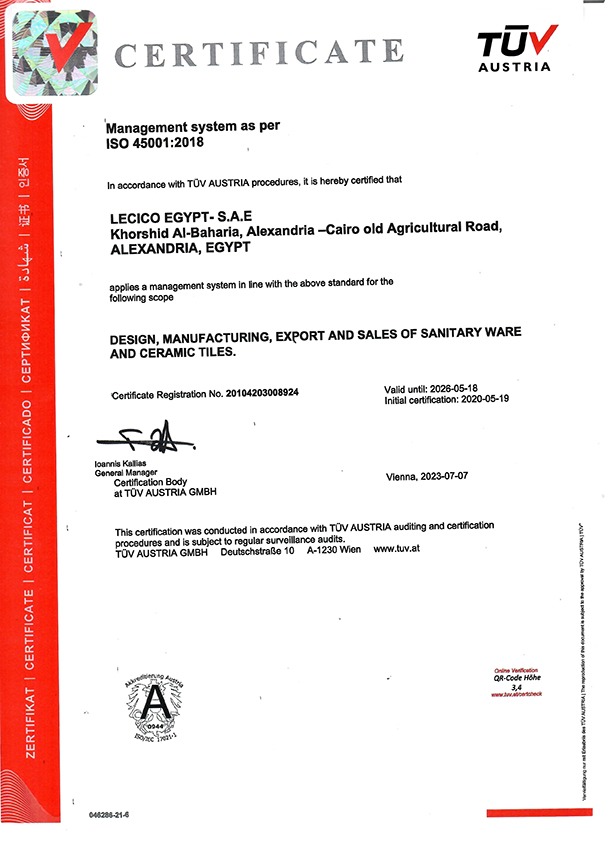
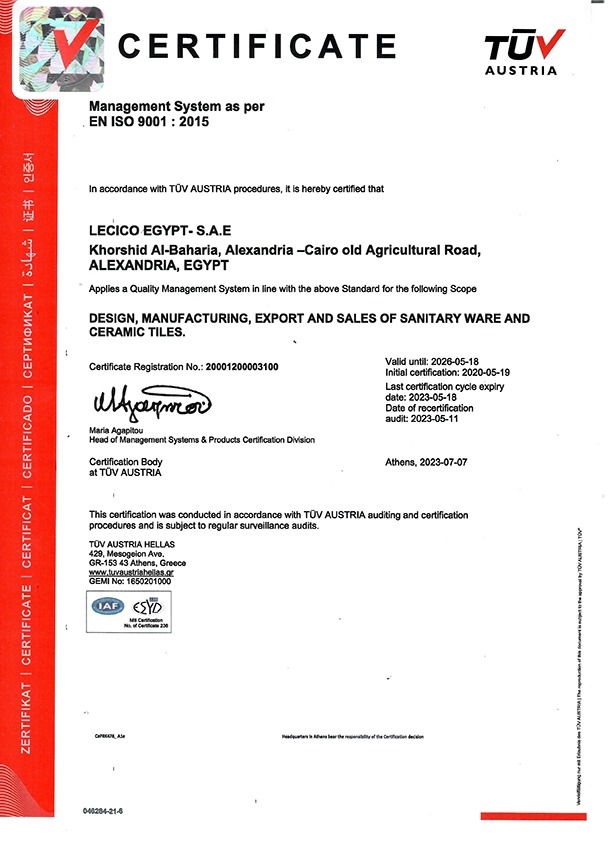
Yes. Lecico’s eco and water-saving range includes dual-flush toilet options that reduce water consumption significantly – relevant for South African projects where water efficiency is both a practical and regulatory consideration. Several products across the range are also compatible with water-efficient mixer specifications. Lecico’s ceramics are manufactured to be scratch and germ-resistant, reducing the need for replacement over time.
Can Lecico products be used in commercial and hospitality projects?
Yes. Lecico’s range covers residential, commercial, hospitality, educational and medical applications. Products are available in configurations suited to high-traffic environments, and the range includes options specifically designed for commercial durability and ease of maintenance. The who we serve section of the Lecico website gives a fuller picture of the project types the range is built for.
Explore the Lecico range
The autumn bathroom trends 2026 shaping South African bathrooms – warm tones, smarter floating furniture, textured basin details, streamlined concealed cistern installations and considered freestanding baths – are all achievable with the right products. Lecico’s range is built to deliver exactly this: design-aware sanitaryware and furniture at a price point that works for residential, commercial and hospitality projects alike.
Browse countertop basins | Explore furniture and mirror cabinets | See concealed cisterns | View the Singola freestanding bath | Find a stockist

Fill out the form below, and one of our representatives will get back to you as soon as possible.
Our details



Be the First to Know: Get Exclusive Deals and Promotions from Lecico!
Sign up for our newsletter to receive exclusive offers, early access to new products, and special merchant discounts straight to your inbox. Don’t miss out on our latest deals to boost your product offerings and grow your business with Lecico!